
What It Means When Your AC Coil Is Frozen
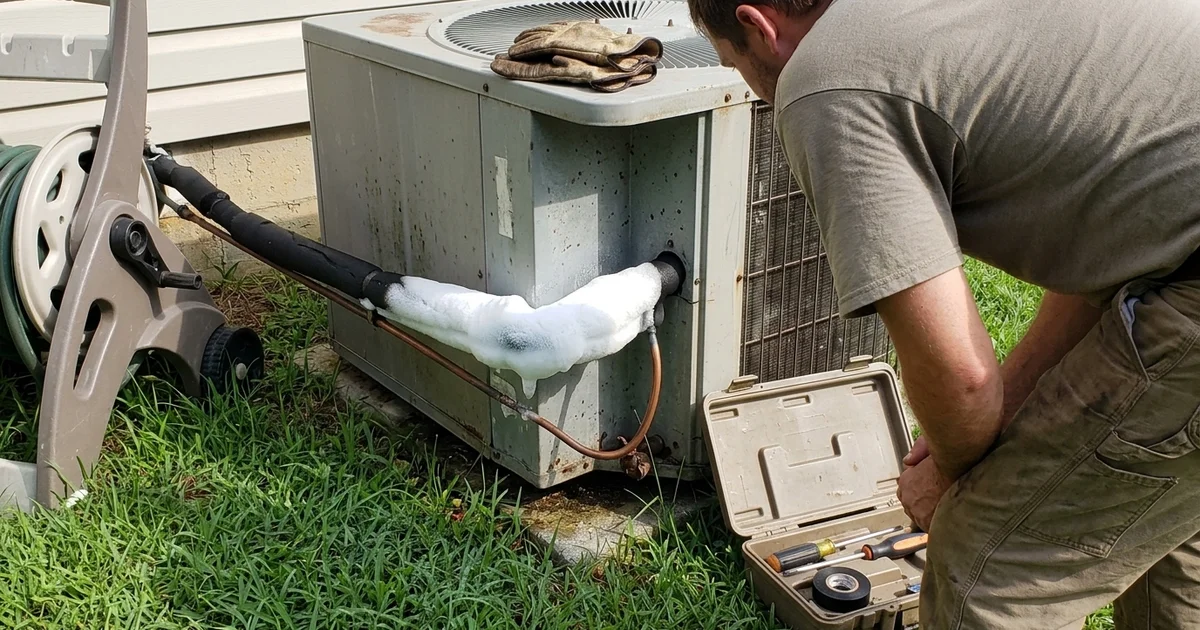
You walk outside and see the copper line connected to your outdoor unit is completely white with frost. Or maybe you find ice creeping along the pipes right next to the indoor air handler. Inside the house, the air blowing from your vents feels weak and barely cool.
This means you have an AC coil frozen solid.
It seems impossible during a hot Alabama summer, but this is a very common problem that points directly to a system failure. We see this exact issue constantly across South Baldwin County. If your house is actively heating up, you should probably call for AC repair in Foley.
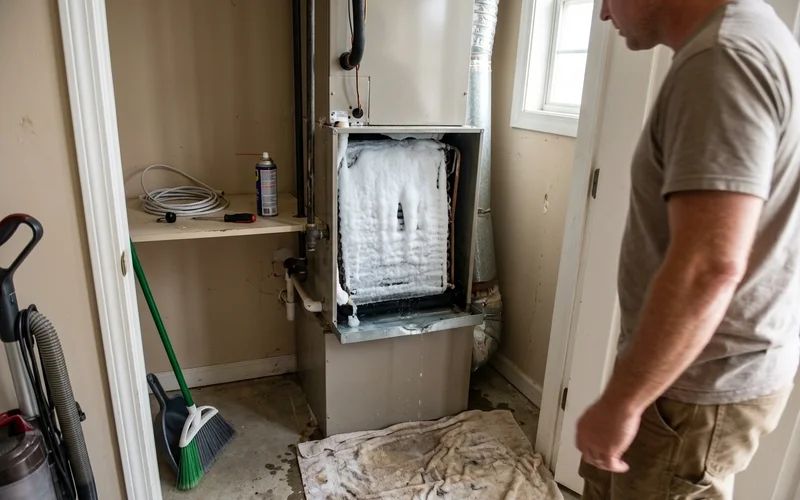
Your indoor evaporator coil is designed to run very cold, usually around 40 to 42 degrees Fahrenheit. When a malfunction drops that temperature below 32 degrees, the condensing moisture turns to solid ice instead of dripping into the drain pan. This ice creates a physical barrier that restricts airflow. The lack of airflow drops the temperature even further, causing the freeze to travel straight back along the suction line to your outdoor unit.
Why Gulf Humidity Builds Ice Fast
On a typical, muggy South Baldwin day, the air moving over your AC coil carries an incredible amount of water vapor. A properly functioning system acts like a massive dehumidifier, pulling upwards of 20 gallons of water out of your indoor air every single day. This moisture normally turns into liquid condensate that drains harmlessly outside.
Our local climate changes the rules when a system starts running too cold. That humid air hits the freezing metal, and the heavy moisture immediately turns to solid ice. Because Foley and surrounding areas frequently see summer relative humidity levels well above 75 percent, a thin layer of frost can grow into a thick block in just a few hours.
A minor airflow issue that might only cause a slight chill in a dry climate will quickly shut down a system right here on the coast.
The Common Causes
A frozen coil always comes down to an issue with either airflow or refrigerant. Here is exactly what causes that critical temperature drop.
Airflow restriction
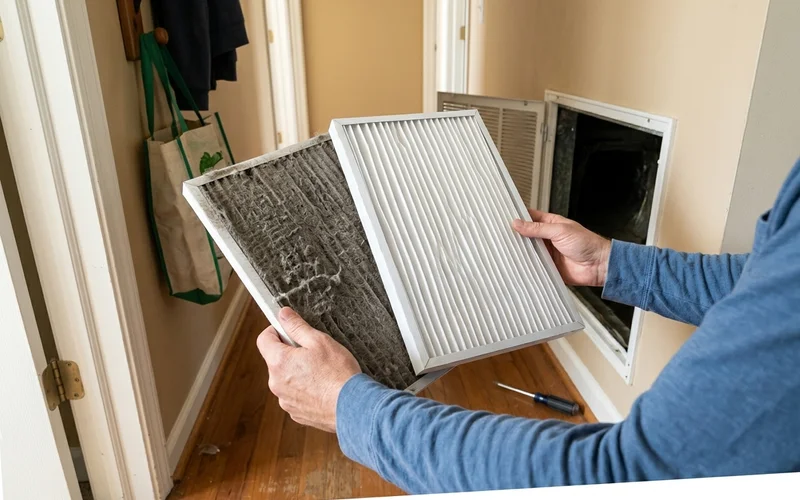
Restricted airflow is the absolute most common reason for your AC freezing up, and it is usually the easiest to fix. Anything that stops warm return air from blowing over the cold metal will cause the coil temperature to plummet. We constantly find blocked air pathways causing major system shutdowns.
Common culprits include:
- A severely clogged air filter
- Using restrictive, high-efficiency filters on older systems not rated for them
- Closed supply vents or blocked return grilles in multiple rooms
- A layer of dust and pet dander caked directly onto the evaporator coil
- Collapsed, crushed, or disconnected flexible ductwork in the attic
Low refrigerant
When your system loses refrigerant due to a leak, the pressure inside the evaporator coil drops significantly. Physics dictates that a drop in pressure causes a matching drop in temperature. Your coil will freeze up even if the blower motor is working perfectly and the filter is spotless.
Low refrigerant always indicates a physical leak in the copper lines or coils. You will likely notice the ice returning quickly after you thaw the system. Other warning signs include faint hissing noises from the indoor unit and lukewarm air at the vents.
You can read more about these specific symptoms in our guide on an AC running but not cooling.
Blower motor problems
If your indoor blower motor weakens, runs slowly, or fails completely, the critical air movement across your coil simply stops. Without that warm house air transferring its heat, the coil freezes solid in record time.
We often replace worn-out blower components in homes across Summerdale and Elberta. A failed run capacitor is a frequent culprit, as it stops the motor from starting up. Other mechanical issues include a failing ECM motor, a loose drive belt on much older units, or a blower wheel packed tight with dirt.
Running in cool weather
Air conditioners are simply not designed to run when the outside temperature drops too low. Running your cooling system on a mild spring night when it is below 60 degrees outside can easily cause ice on AC lines and the indoor coil. This happens very often with oversized units that cool the house too fast without removing enough moisture.
Do not chip the ice
Scraping or chipping ice off the coil or lines can puncture the thin copper and aluminum and create a refrigerant leak. Let it melt on its own.
How to Thaw a Frozen AC Safely
Knowing how to thaw frozen AC equipment safely is critical before any troubleshooting or repairs can begin. Do not try to rush this process with a hairdryer or heat gun, as extreme heat will melt and crack the plastic drain pan.
- Turn cooling off at your main thermostat. This immediately stops the cooling cycle and protects the expensive compressor from damage.
- Set the fan to ON. This forces the blower to constantly push warm room air over the frozen coil, which dramatically speeds up the melting process.
- Protect the floor. A rapidly melting block of ice can easily overwhelm a standard condensate drain pan. Place dry towels around the base of the indoor unit and watch the water level closely. See our guide on an AC leaking water if the puddle starts to spread.
- Replace the air filter while you wait for the ice to melt.
- Open all supply vents fully and move any furniture or rugs blocking your return grilles.
- Wait patiently. A light frost might melt in a few hours, but a solid block of ice often takes 12 to 24 hours to completely clear.
- Restart and watch. Once the copper lines are fully visible and dry, switch the thermostat back to COOL. Stop the system immediately and call for help if frost returns the same day.
When You Need a Contractor
Homeowners can easily swap out a dirty filter or open a closed vent. Mechanical failures and refrigerant leaks require professional diagnostic tools to fix properly. You should call a local expert if any of the following statements apply to your situation:
- The thick ice comes right back after you fully thawed it and installed a clean filter
- Your indoor blower motor refuses to run, or it sounds very weak
- You clearly hear a bubbling or hissing sound near the indoor coil or outdoor lines
- This exact system has frozen over multiple times this season
- The overflowing meltwater is actively damaging your ceilings, drywall, or hardwood floors
Our technicians use specialized equipment to pinpoint exactly why the temperature dropped. Here is a breakdown of what a professional diagnostic visit looks like.
| What the contractor checks | Why it matters for your system |
|---|---|
| Airflow and static pressure | Pinpoints hidden ductwork, filter, or coil restrictions |
| Blower motor and capacitor | Confirms the fan is moving enough air at the correct speed |
| Superheat and subcooling pressures | Proves mathematically whether the system is low on refrigerant |
| Electronic leak detection | Locates the exact source of the leak before adding any gas |
| Evaporator coil condition | Identifies heavy dirt buildup that requires chemical cleaning |
If your system is low on refrigerant, the only correct repair is to locate the leak, fix the hole, and then recharge the system to factory specifications. Adding costly refrigerant without sealing the leak is just a temporary, expensive patch.
After the Fix
Preventative maintenance is the best way to stop ice from forming in the first place. Scheduling a thorough spring tune-up that includes a chemical coil cleaning and a professional pressure check will catch most freezing causes before summer arrives.
We strongly recommend changing basic one-inch filters every 30 days during peak cooling season. You might need to replace them even more frequently if you manage a rental property or share your home with shedding pets.
If your AC is frozen anywhere in Foley, Magnolia Springs, or South Baldwin County, call (251) 270-2500 for immediate help. We connect you directly with a licensed, fully insured HVAC contractor located right in your neighborhood, with no referral fees. You will always receive a free, clear estimate before any tools come out.