
Why Your AC Is Running but Not Cooling
Foley AC Repair operates as a local line to connect you with a licensed contractor in South Baldwin quickly. We hear it constantly from homeowners dealing with an AC running but not cooling during those sweltering August afternoons.
The most frequent complaints along the Gulf Coast share a few classic symptoms:
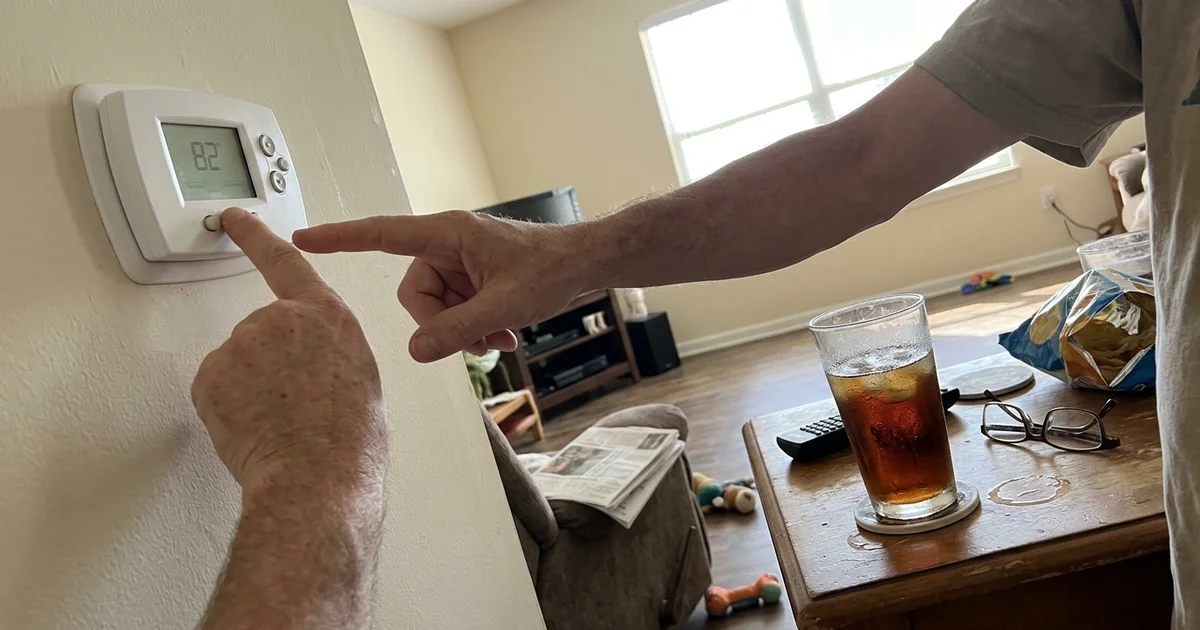
- The thermostat reads 82 degrees and climbing.
- The indoor fan runs loudly.
- You notice your AC blowing warm air from every vent.
Our team understands the immediate panic when a home starts heating up fast. A central AC operates on a simple loop where the indoor unit cools the air and the outdoor compressor dumps the heat outside.
When the system blows warm air, something has broken down on one side of that loop.
We built this guide to cover the common culprits so you know exactly when to call for emergency AC repair in Foley.
Protect the compressor first
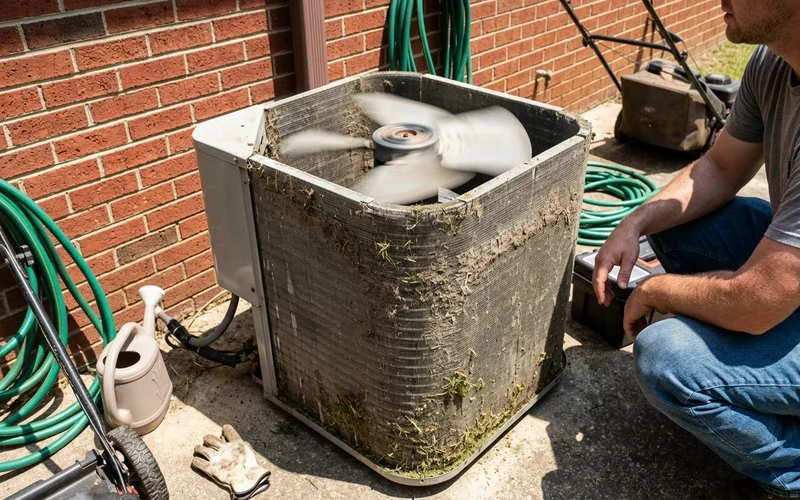
If the air is warm and the outdoor fan is not spinning, turn the system off at the thermostat immediately. A compressor running without the fan will quickly overheat. Replacing a burned-out compressor can cost anywhere from $2,000 to $5,000 in 2026, making it the most expensive component in your entire system.
The Most Common Causes
We see a clear pattern when diagnosing calls about an AC not cooling in Foley, AL, and the surrounding areas. The root cause usually falls into one of a few specific categories. Identifying the exact issue early can save you thousands of dollars in major repairs.
A dirty or clogged air filter
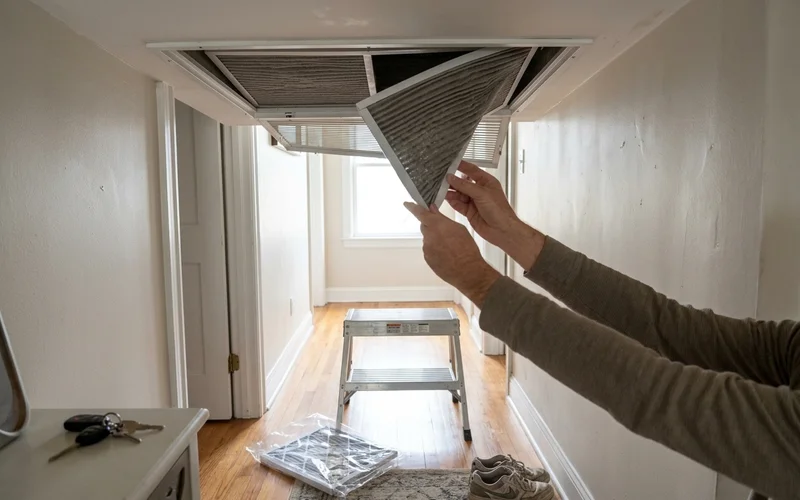
A filter packed with dust starves your indoor evaporator coil of necessary airflow. Less air moving over the coil means less cooling capacity, and eventually, the coil can freeze into a solid block of ice. Homes with pets or high foot traffic clog filters incredibly fast.
Our technicians strongly recommend following these filter guidelines:
- Use filters with a Minimum Efficiency Reporting Value (MERV) rating between 8 and 13.
- Replace basic fiberglass filters every 30 days during a hot Alabama summer.
- Check thicker pleated filters every 60 days if you have shedding pets.
This simple maintenance step is the first thing you should check. It is also the only fix on this list that is completely safe to do yourself.
A failed capacitor
The run capacitor acts as a powerful battery that gives the compressor and outdoor fan motor the jolt they need to start. Capacitors degrade rapidly in extreme heat. Coastal Alabama summers will routinely cut a capacitor’s standard 10-year lifespan down to just five to seven years.
We find that a failed capacitor is the leading cause of summer breakdowns. Common symptoms include an outdoor unit that hums loudly but fails to spin, or a fan that moves while the compressor stays silent. Industry data from 2026 shows that replacing a bad capacitor costs between $150 and $550.
Our advice is to never attempt replacing this part on your own. Capacitors store a lethal electrical charge even when the power is off, making this a mandatory job for a licensed contractor.
Low refrigerant from a leak
Refrigerant operates in a closed loop and never gets used up like gas in a car. If your system charge is low, you have a physical leak somewhere in the lines. Telltale signs include warm air inside, ice forming on the copper line at the outdoor unit, and a distinct hissing sound.
The 2026 Refrigerant Shift
The rollout of the AIM Act halted the production of older R-410A systems on January 1, 2025. This makes traditional refrigerant much more expensive, so patching leaks is now far more critical than just topping off the fluid.
We strongly advise against paying for a simple recharge without fixing the underlying hole. A system topped off without a proper repair will just leak that costly fluid again in a few weeks.
Ignoring a leak will often cause the indoor components to freeze completely. Ice on the lines is a classic indicator that you might have a frozen AC coil.
A dirty outdoor coil
The outdoor condenser coil has the tough job of shedding heat into the already sweltering summer air. When the aluminum fins get packed with grass clippings, pine straw, or Gulf Coast salt crust, the heat stays trapped. Operating pressures climb rapidly, cooling output drops, and the compressor works twice as hard to compensate.
Our standard tune-up process always includes a thorough chemical cleaning of this outdoor coil. Regular cleaning prevents the compressor from overheating and extends the life of your equipment.
An undersized system in extreme heat and humidity
Foley experiences a muggy, oppressive climate that lasts from mid-April through late October. On the absolute hottest days, even a perfectly healthy system might run nonstop and sit two degrees above your set temperature. That behavior is completely normal and not a mechanical failure.
We frequently see homes struggling because the AC is simply too small for the local climate load. Standard sizing charts recommend one ton of cooling for every 500 square feet, but that math fails in Alabama. A coastal system must have enough capacity to cool the air and remove the heavy latent humidity simultaneously.
Adding a new sunroom, installing bigger windows, or ignoring leaky ductwork will overwhelm an undersized unit. A dedicated whole-home dehumidifier is often the best solution for managing that excess moisture.
Other causes contractors see
Sometimes the issue requires a deeper diagnostic look. Here are a few other common culprits that stop a system from cooling:
- A contactor switch stuck open or burned out, preventing the outdoor unit from starting.
- A failed condenser fan motor that cannot exhaust the heat.
- A thermostat accidentally set to FAN or HEAT instead of COOL, or just dead batteries.
- Leaky return air ducts in a hot attic pulling in 120-degree air.
- A tripped drain float switch that shuts off the outdoor compressor but leaves the indoor blower running.
Safe Checks You Can Make Before You Call
We always want you to check a few basic items before paying for a service call. These simple troubleshooting steps take only a few minutes and require zero tools.
| Check | What to look for | What it tells you |
|---|---|---|
| Thermostat | Set to COOL, below room temp, fan on AUTO, fresh batteries | Rules out a simple settings or power problem |
| Air filter | Gray, clogged, or physically bowed filter material | Indicates weak airflow; replace it immediately |
| Breaker panel | A tripped AC or air handler circuit breaker | Reset it once only to test for a power surge |
| Outdoor unit | Fan spinning, unit humming, debris stacked against the coil | Tells the contractor exactly where to start |
| Indoor unit | Water overflowing in the drain pan or ice on the copper lines | Points to a clogged drain line or frozen coil |
If you reset a tripped breaker and it immediately flips again, leave it alone. That specific reaction points to a dangerous electrical fault somewhere in the wiring.
Our safety policy is clear on electrical panels. Do not open the outdoor unit’s service panel, and absolutely never touch the internal capacitor.
When It Needs a Contractor
Some situations require immediate professional attention to prevent permanent damage. Call a certified technician when any of the following scenarios are true:
- The air remains warm even after you changed the dirty filter and checked the thermostat.
- The outdoor fan refuses to spin, or the metal cabinet hums without the compressor starting.
- You spot visible ice on the thick refrigerant lines or the indoor evaporator coil.
- Your electrical breaker trips more than once during the same afternoon.
- You hear loud grinding, aggressive screeching, or harsh buzzing noises from the outdoor unit.
- The house contains elderly family members, infants, or pets, and the temperature is climbing dangerously fast.
We suggest turning the system completely off at the thermostat while you wait for help. Keep your blinds closed on the sunny side of the house, run your ceiling fans counterclockwise, and write down the exact model number from the outdoor unit’s data plate.
Our comprehensive checklist for what to do while you wait for the AC technician has even more helpful details.
What the Repair Usually Involves
When a professional arrives, they will follow a strict diagnostic sequence:
- Testing the thermostat and electrical components.
- Measuring the indoor airflow.
- Checking the system’s refrigerant pressures.
Our partners find that a simple capacitor or contactor swap is usually completed in under an hour. Fixing a refrigerant leak takes significantly longer because the technician must isolate the hole, braze it shut, and then accurately recharge the system.
A failed compressor is the most severe diagnosis. This often pushes homeowners into a full replacement, especially on systems older than 10 years.
Always demand a clear, written estimate before approving major work.
You should never pay for a simple top-off without a guaranteed leak repair first.
For accurate 2026 price ranges by specific repair type, review how much AC repair costs on the Gulf Coast.
If your AC is running but not cooling in Foley, Gulf Shores, Orange Beach, or anywhere in South Baldwin, call (251) 270-2500.
We answer the phone 24/7 and connect you with a licensed, insured contractor already working near your neighborhood. There is absolutely no referral fee to use this local service.