
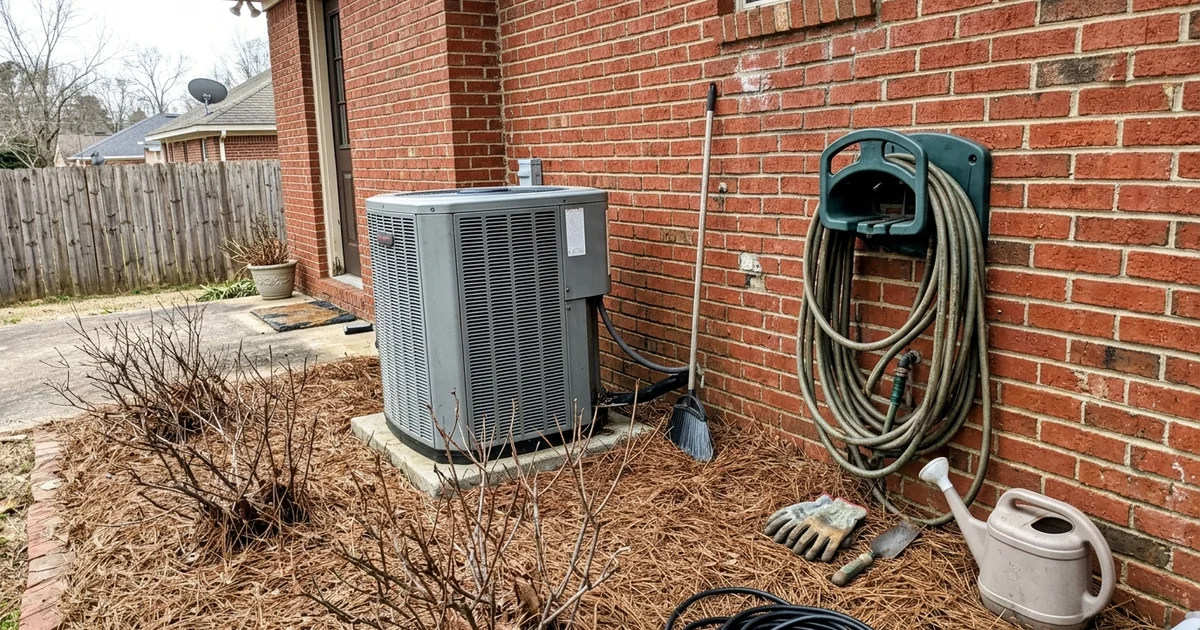
A failed air conditioning system is incredibly frustrating right as the seasons change in Baldwin County.
Deciding between a heat pump vs furnace really depends on the existing setup inside your home. We know that a heat pump is the natural fit for most properties in Foley, Gulf Shores, and Orange Beach.
The area’s mild winters allow the exact same outdoor unit to handle your cooling all summer and your heating all winter. Many local homes operate entirely on electricity anyway.
Our technicians also see situations where a gas furnace or a dual-fuel system makes better financial sense for specific older houses. This guide compares the main options clearly so you can discuss them with a professional.
Review this information whether you need heat pump service right now or are planning a future replacement.
How Each System Heats
Every HVAC system generates warmth differently using either refrigerant transfer, combustion, or electrical resistance when comparing a heat pump vs furnace setup. Knowing how these internal components operate helps you choose the most efficient option for your property.
The Heat Pump Method
A modern heat pump moves heat from the outdoor air into the house using a chemical refrigerant. This process works exactly like your standard air conditioner running in reverse.
Our maintenance teams confirm that this transfer method is incredibly efficient during mild Gulf Coast winters. Electric heat strips sit inside the air handler to provide backup warmth on the coldest January mornings.
Newer models often utilize advanced refrigerants like R-454B to transfer heat faster than older R-410A systems. We see that this efficiency makes a heat pump or gas furnace alabama comparison heavily favor the electric pump for moderate days.
The Gas Furnace
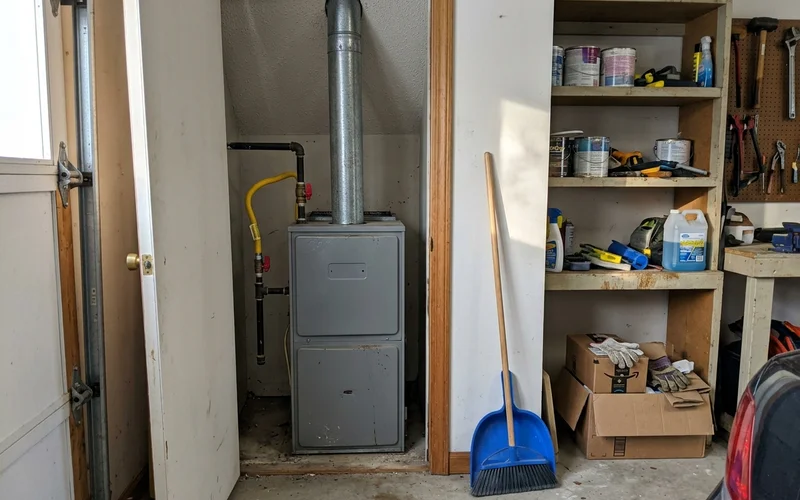
A gas furnace burns natural gas or liquid propane to heat the air directly. The equipment produces intensely hot air very quickly and distributes it through your ductwork.
Our installers pair these combustion heaters with a completely separate air conditioner for summer cooling. The setup requires an active gas line and a dedicated metal flue to vent carbon monoxide outside safely.
Outdoor temperatures do not impact a furnace at all, which guarantees a consistent blast of heat.
Heat Strips Alone
Some older coastal homes rely on a standard AC paired with electric heat strips and lack a true heat pump entirely. This basic setup functions essentially like a giant toaster to warm the indoor air.
Our repair calls often reveal that this is the absolute most expensive way to heat a home using electricity. These resistive elements pull massive amounts of electrical amperage.
Comparing heat strips vs furnace heating always shows the strips costing significantly more on your monthly utility bill.
The Dual Fuel System
A dual fuel heat pump combines an electric heat pump with a gas furnace backup. The highly efficient heat pump handles the heating load for most of the season.
Our local climate means the gas furnace side only activates during those rare, hard freezing nights. This hybrid setup optimizes energy use by switching to gas only when electric efficiency drops.
Homes with existing gas connections benefit the most from this configuration.
Why Mild Winters Favor Heat Pumps
Mild weather makes a heat pump the most efficient choice because the system rarely has to work hard to extract heat from the outside air. The Gulf Coast environment perfectly matches this equipment’s ideal operating range.
We see that Foley experiences a very temperate winter climate, with January average low temperatures hovering around 43 degrees Fahrenheit. Hard freezes are short and relatively rare in South Baldwin County.
The heat pump rarely needs to activate its energy-heavy backup heating strips under these conditions. Our customers appreciate that because the system also cools the home, one outdoor unit efficiently manages comfort for the entire year.
Side-by-Side Comparison
The comparison table breaks down the primary differences in fuel, performance, and hardware. Reviewing these factors side-by-side clarifies which setup aligns with your home’s existing infrastructure. We find that visualizing these differences helps homeowners make faster, more confident decisions.
| Factor | Heat pump + heat strips | Gas furnace + AC | Dual fuel |
|---|---|---|---|
| Fuel | Electricity | Gas + electricity | Both |
| Efficiency in mild weather | Very high | Good | Very high |
| Performance in hard freezes | Good, with heat strip help | Excellent | Excellent |
| Air temperature from vents | Warm (around 95°F) | Hot (120°F+) | Varies based on mode |
| Needs gas service | No | Yes | Yes |
| Needs a flue and CO safety | No | Yes | Yes |
| Equipment for cooling | Same unit | Separate AC | Same heat pump |
| Common in South Baldwin | Most homes | Some older homes | Less common |
Operating Costs in General Terms
Your specific utility rates dictate your exact monthly heating costs. Currently, Riviera Utilities charges around 11.10 cents per kilowatt-hour, making efficient electric heating highly cost-effective locally.
Our residential customers frequently ask about the bottom line on their winter utility bills. Exact expenses depend heavily on electricity rates, natural gas pricing, your home’s insulation, and your personal temperature habits.
Asking a contractor to calculate estimated running costs using your specific square footage provides the most accurate picture.
- A heat pump is usually the cheapest way to heat in mild weather.
- Heat strips cost the most to run per unit of heat, so a heat pump that leans on them too much gets expensive.
- A gas furnace can be cheaper than heat strips during a hard freeze, but in a mild climate those days are few.
- Dual fuel lets the cheapest option run at each temperature, which can help if you have gas and want the lowest possible winter bills.
When a Furnace or Dual Fuel Makes Sense
Homes with existing gas infrastructure are the best candidates for combustion heating. Installing brand new gas lines just for heating rarely makes financial sense for a standard property update.
Our local plumbing contacts note that running a new gas line in Baldwin County costs roughly 30 dollars per linear foot. This steep installation cost means a furnace or dual fuel heat pump makes the most sense in a few specific scenarios.
- The home already has natural gas and a working furnace in good shape.
- You want very warm air from the vents and dislike the milder air from a heat pump.
- The home is older and leaky, with high heating loads on cold days.
- You want the lowest possible cost on the coldest days and have gas available.
When a Heat Pump Makes More Sense
All-electric properties benefit instantly from a dedicated heat pump installation. It simplifies your utility bills and eliminates the risks associated with burning fuel indoors.
Our service records show that a heat pump dominates in neighborhoods where natural gas simply is not available. Modern units hitting the 2026 minimum requirements of 7.5 to 7.8 HSPF2 use remarkably little electricity compared to older models.
Relying entirely on electricity provides several distinct advantages for coastal living.
- The home is all-electric or gas is not available.
- You want one single system for both heating and cooling.
- You want to avoid combustion and carbon monoxide safety concerns completely.
- It is a rental or second home where absolute simplicity matters most.
Replacement Considerations
Upgrading your equipment requires looking closely at modern government efficiency ratings. Higher efficiency numbers translate directly into lower utility bills over the next decade.
Our installation teams highly recommend exploring variable-speed units from major brands like Trane or Carrier. The Department of Energy rates modern heat pumps for heating efficiency using the HSPF2 standard.
In 2026, the southern region requires a minimum rating of at least 7.5 or 7.8 HSPF2, depending on the exact equipment configuration. We see that variable-speed heat pumps hold their heating capacity much better in cold weather and rely far less on expensive heat strips.
If you are planning a system replacement, ask your technician for a formal load calculation. Requesting quotes showing two or three different efficiency levels helps you compare the upfront price against long-term savings.
We encourage you to review our system replacement guide to understand exactly how professional quotes work.
Questions to Ask Before You Decide
Gathering the right details protects your investment and ensures your new system matches your lifestyle. Always ask your contractor specific questions about infrastructure and local operating costs.
Our experienced technicians expect and welcome detailed questions during an initial consultation. Because the correct answers depend entirely on your home’s layout and your utility rates, an on-site visit remains the only accurate way to compare.
Bring up these specific points during your evaluation.
- Is natural gas available at my address, and what would it cost to connect through the local utility?
- How often would the emergency heat strips run with a new heat pump in my home?
- What is the estimated winter running cost for each equipment option?
- If I already have a working furnace, can a heat pump be easily connected as a dual fuel setup?
- Which option controls indoor humidity best during mild, damp coastal weeks?
- What routine maintenance does each option need, including mandatory carbon monoxide checks for gas?
Talk It Through With a Contractor
Getting a professional opinion provides total clarity and costs you nothing upfront. A local expert can measure your home and quote the best equipment options for your budget.
We suggest making a quick call to ensure you understand every aspect of your HVAC investment. Call (251) 270-2500 to reach a licensed, insured contractor who works daily in South Baldwin.
They can physically inspect your home, evaluate your fuel options, and assess your current equipment condition. Our recommended partners will quote your choices for free, with absolutely no hidden referral fees attached.
Getting the right heat pump vs furnace system installed today guarantees your comfort for years to come.