
At Foley AC Repair, we know the local climate puts unique stress on cooling equipment. A standard lifespan for a condenser inland might be 15 years, but the salty Gulf air cuts that timeline significantly down here. You will see the signs of wear early if you know what to look for.
Our team relies on a structured approach to catch minor issues before they become expensive summer failures.
Scheduling your AC maintenance in Foley early is the best way to avoid the mid-summer rush. We will break down exactly what an ac tune up checklist covers and highlight the tasks you can safely handle yourself.
Why Spring Is the Time
Spring is the ideal time for maintenance because you catch failing parts while contractors still have open schedules. In South Baldwin, the air conditioner starts working hard in April and does not really rest until October.
We frequently replace dual-run capacitors and clear clogged drain lines in July. Those specific parts usually show signs of weakness months earlier during a routine inspection.
Booking spring ac maintenance early provides several distinct advantages:
- You secure lower off-season repair rates.
- Technicians have time to perform thorough cleanings.
- You avoid waiting days for service during major heat waves.
Foley experiences an average summer humidity of 74 percent, which forces your system to run longer cycles. Getting ahead of this weather is the smartest move a homeowner can make.
What a Contractor Checks
A comprehensive ac tune up checklist covers the electrical, mechanical, and airflow components of your cooling system. We focus on areas that are most likely to fail under the heavy load of a humid Alabama summer.
The inspection process targets these critical categories:
- Airflow optimization
- Coil cleaning and protection
- Drainage clearing
- Electrical verification
- Refrigerant and thermostat calibration
Airflow and filter
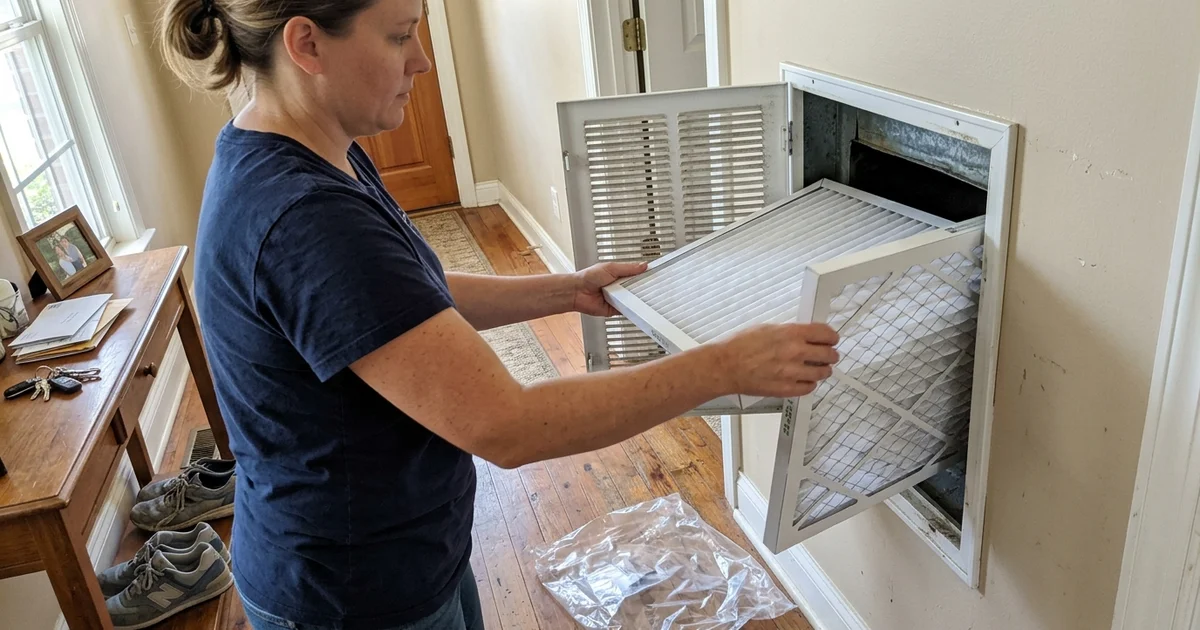
Our technicians check the filter and recommend the right type for your specific home layout. A standard MERV 8 filter works perfectly for most properties because it traps dust without restricting necessary airflow.
We measure the static pressure to spot hidden duct blockages or blower motor problems. Inspecting the blower wheel ensures the system pushes air efficiently through your vents.
Coils
We inspect and clean the outdoor condenser coil to remove salt buildup from the Gulf breeze. This coastal salt causes galvanic corrosion between the copper tubing and aluminum fins.
Our team carefully straightens any bent fins to restore proper heat transfer. Dirt on the indoor evaporator coil can also block necessary air circulation and freeze the system.
Applying a specialized coastal product like GulfCoat can add years to a condenser living near the beach.
Drain system
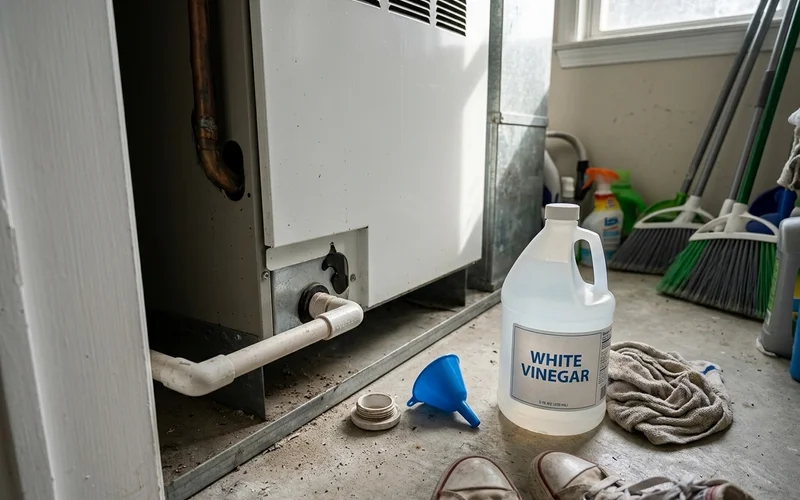
Flushing the condensate drain line is mandatory in our wet climate. The heavy 70-inch annual rainfall in Foley creates constant moisture, causing rapid algae growth inside these PVC pipes.
We test the float switch and check the drain pan for rust or cracks. A working switch will safely shut off the unit before a clogged line floods your ceiling.
Electrical
We test the dual-run capacitor using a professional multimeter. This specific part powers both the compressor and the fan, making it the most common component to fail in extreme heat.
Our inspection includes checking the contactor for pitting or burning marks. Tightening all electrical connections prevents dangerous voltage drops from starting an electrical fire.
Measuring the motor and compressor amp draw tells us if the system is working too hard.
Refrigerant
We verify the proper charge by taking superheat or subcooling readings. These measurements confirm the refrigerant is absorbing and releasing heat correctly inside the closed loop.
Our technicians look closely for oily spots around the brass fittings. Oil is a primary indicator of a slow, hidden leak that will eventually stop the cooling process.
Thermostat
We confirm the thermostat reads accurately and cycles the equipment on and off at the right intervals. Short-cycling strains the compressor and spikes your monthly energy bill.
Checking the schedule settings is especially important for rental properties along the coast. Proper programming keeps the indoor humidity controlled even when the house sits empty.
What You Can Do Yourself
Homeowners can safely handle several basic upkeep tasks to support professional maintenance. Regular cleaning and filter changes keep the equipment running smoothly between our scheduled visits.
We compiled this schedule based on the most common issues we see in Baldwin County.
| Task | How often | Notes |
|---|---|---|
| Change the air filter | Every 1 to 3 months, monthly in rentals | Write the date on the filter edge |
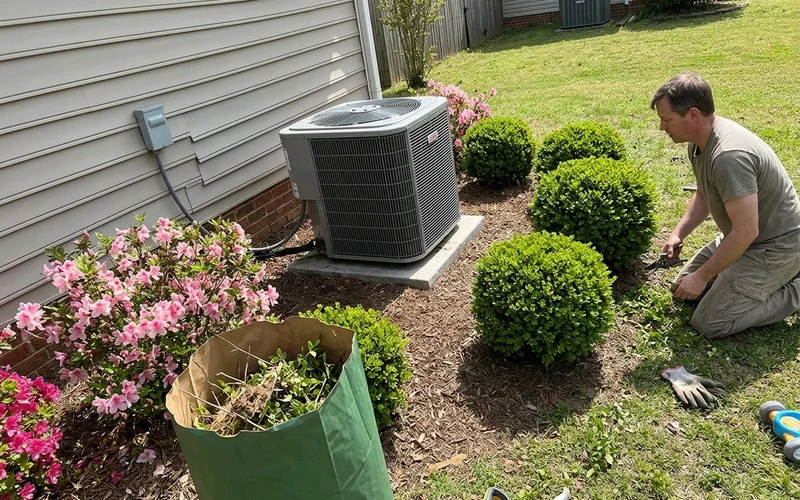
| Clear around the outdoor unit | Monthly in season | Keep 2 to 3 feet clear on all sides |
| Rinse the outdoor coil | Every few weeks near the beach | Power off, use a gentle hose only |
| Treat the drain line | Monthly in summer | Pour 1/4 cup white vinegar through the cleanout |
| Check the drain pan | A few times a season | Water in the secondary pan is a warning |
| Test the system | Early spring | Run it on a warm day before you need it |
We highly recommend skipping the pressure washer when rinsing the outdoor unit. The high pressure will instantly crush the delicate aluminum fins and ruin the unit’s ability to cool your home.
Leave the electrical parts, refrigerant handling, and anything inside the metal panels to a licensed contractor.
Test it before you need it
On the first warm day of spring, switch to COOL and let it run for 15 minutes. Cool air from the vents and a quiet outdoor unit are good signs. Warm air, odd noises or water around the indoor unit mean it is time to call.
Rentals and Second Homes
Rental properties run the air conditioner continuously, and guests rarely report minor problems until the machine completely quits. A spring tune-up before the busy tourist season prevents most mid-stay emergencies.
We suggest scheduling a midsummer check to clear the drain lines a second time. Ask your contractor to send a short digital report with photos if you live out of state.
Second homes that sit empty through the winter require a thorough inspection before family arrives. We frequently find several common issues in inactive units:
- Mud dauber nests inside electrical contactors.
- Dried out and clogged PVC drain lines.
- Corroded wiring from unchecked coastal moisture.
Getting a professional assessment ensures your vacation starts comfortably without a hot house.
After the Tune-Up
If the technician finds a weak capacitor, a slow drain, or low refrigerant, you get a clear quote before any repair begins. Fixing a small component in spring is almost always cheaper than paying for an emergency call in August.
Our experience shows how a $150 part replacement can save a $2,000 compressor from burning out. Catching these problems early gives you total peace of mind for the season.
Heating systems require their own dedicated check in the fall. See the pre-winter heating check for what that specific service covers.
Book Your Spring Tune-Up
Call (251) 270-2500 to reach a licensed, insured contractor working in Foley and South Baldwin. The estimate is completely free, and there is no referral fee attached.
Our team is ready to complete your ac tune up checklist and get your equipment prepared for the intense summer heat. Schedule your appointment today to secure the best availability.